
Selective Pallet Racking
Selective pallet racking fitted with wire decking across each level.
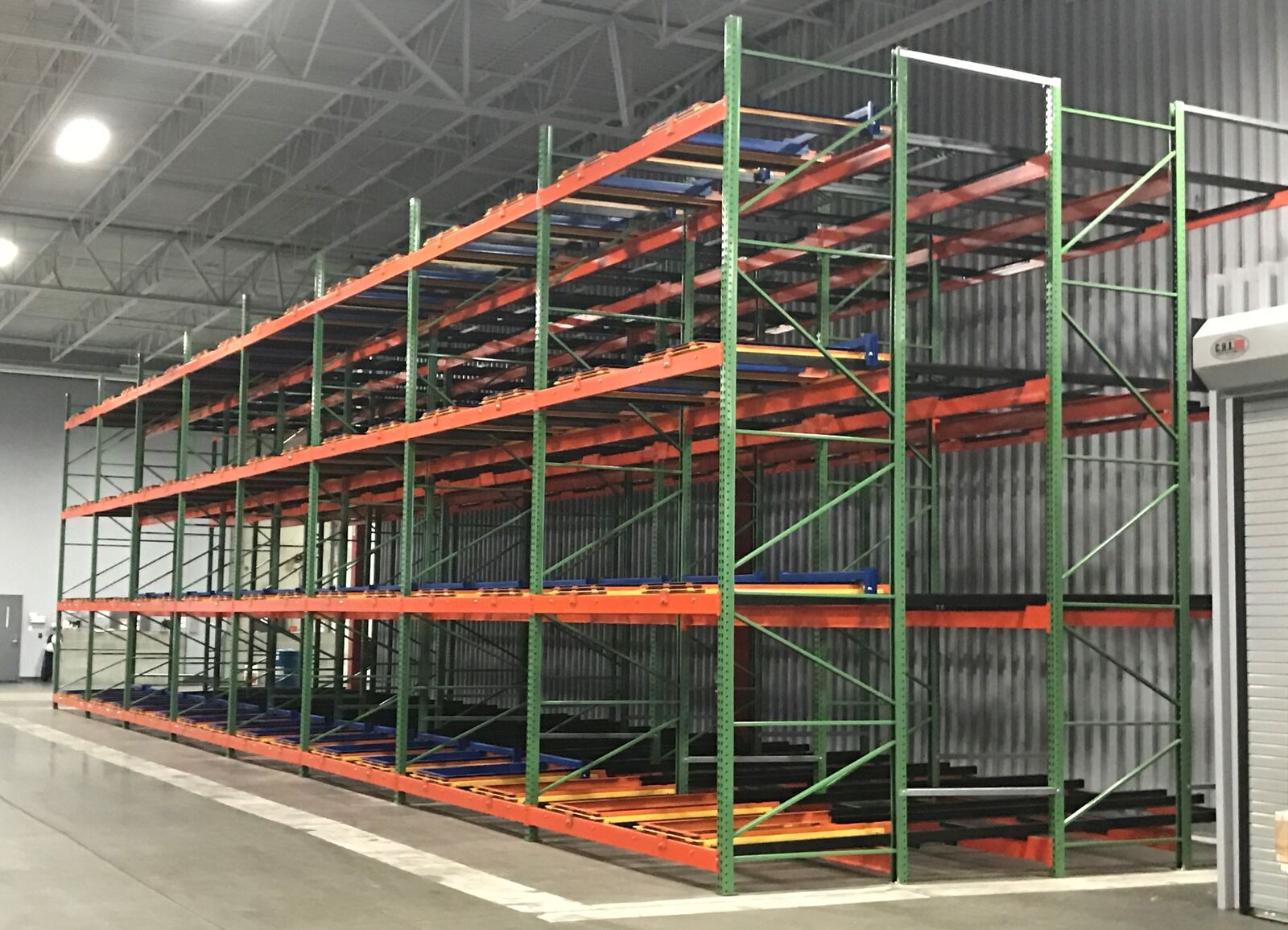
Pushback rack in St. Petersburg gives manufacturing reserves a deeper storage pattern while keeping forklifts at the aisle face. Two to six pallets can occupy each lane, provided the quantity of each SKU supports the chosen depth and last-in, first-out withdrawal is acceptable.
Electronics components, medical supply packaging, and production consumables can have very different access needs. A reserve plan should distinguish interchangeable pallets from controlled lots before assigning nested carts on inclined rails to any part of the inventory.
A large count of total pallets does not establish a fit. We examine whether a four-deep lane would stay meaningfully occupied or become a mostly empty address for one remaining pallet.
The comparison with selective racking includes more than capacity: selective provides individual access, whereas cart lanes group pallets behind a single face. Against drive-in, the operational difference is that the lift truck remains outside the storage structure during loading and retrieval.
Our division, Tampa Pallet Racks, is part of Warehouse Equipment & Supplies Co., which has supplied and installed warehouse equipment since 1997. We turn pallet and inventory information into a proposed lane schedule, equipment specification, and installation scope rather than treating all production reserves alike.
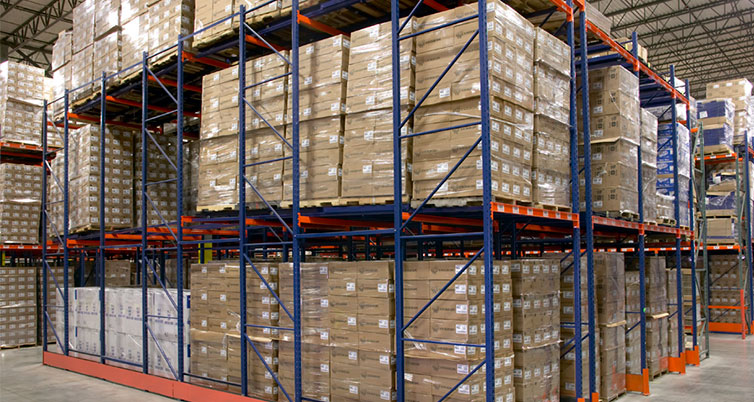
Gateway production layouts should preserve movement between reserve storage and assembly. In north St. Pete, smaller manufacturing footprints can favor shorter lanes with more faces. Along US-19 and Roosevelt Boulevard, receiving and dispatch access should shape the rack orientation rather than allowing the deepest block to dictate every working route.
We collect loaded pallet height, weight, footprint, and typical replenishment quantities. Two-deep and longer alternatives are compared with the number of distinct production supplies needing an aisle-facing address, not just the theoretical total of pallet positions. FIFO inputs require another arrangement so production can reach older receipts without clearing the lane.
A beam pair per level must carry the specified assembly and loads within its stated capacity. Frame spacing determines the supported rail geometry and usable bay arrangement; beam length, connection details, elevation, and pallet clearances belong on the same equipment schedule. Upright capacity must be checked at the actual frame height and vertical beam spacing. The rating of a beam pair per level does not establish the frame rating; display the approved loads on load plaques.
Expanding an existing run requires confirmation of the upright connection and matching connectors for the new beams. Installation crews are managed and scheduled in agreed phases, with rail alignment and loaded cart movement reviewed before the new lanes enter production service.
St. Petersburg warehouse racking · Pushback system options · FIFO lanes in St. Petersburg · Deep reserve storage in St. Petersburg
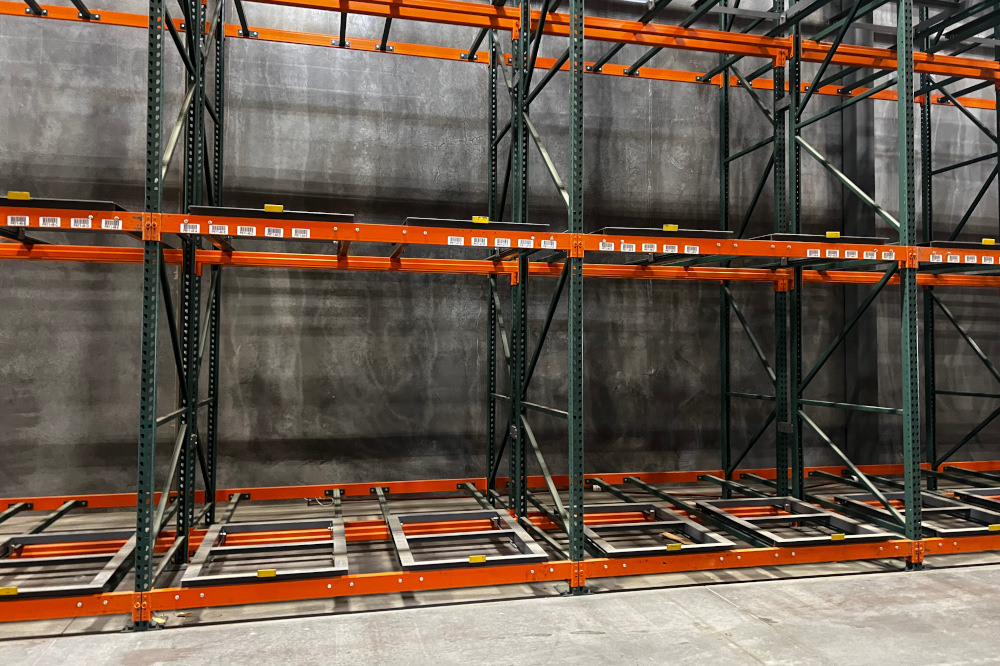
Each storage level contains a defined cart-and-rail arrangement. Operators work from one aisle, and the sequence within that arrangement determines which pallet becomes available next.
Check the underside configuration and load envelope against the cart specification. Consistent pallet support matters throughout the lane, particularly where manufacturing supplies arrive from several vendors on different pallet types.
Loading the next pallet moves the preceding cart backward along the inclined rails. The nested carts separate into their working positions as the lane fills, creating depth behind one accessible loading face.
As the aisle-facing pallet is removed, gravity brings the remaining train forward. The driver controls withdrawal so advancing loads remain orderly; the forklift does not enter the lane to collect the rear pallet.
The latest pallet loaded is the earliest available for removal. Separate revision-sensitive components or restricted lots rather than mixing them behind a newer pallet that production will not yet accept.
A look at recent pallet rack installations across the Tampa Bay area.
Selective pallet racking fitted with wire decking across each level.

Selective pallet racking fitted with wire decking on each level, installed under a wood-truss roof.

Pallet racking set up with carton flow roller lanes on the lower levels.

Drive-in pallet racking built with deep bays that store pallets several positions deep.

Selective pallet racking fitted with wire decking across each level.

Selective pallet racking installed across a warehouse.

Selective pallet racking fitted with wire decking.

Selective pallet racking in a warehouse.

Push back pallet racking with nested carts that store pallets several deep from one aisle.

Selective pallet racking set up along a warehouse wall.
Submit the production pallet schedule and lot restrictions; receive a free CAD arrangement and an itemized quote reflecting those storage decisions. Call (813) 723-3771.
7402 N 56th St.
Ste 355-580
Tampa, FL 33617
(813) 723-3771Monday - Friday: 7:00 AM - 7:00 PM
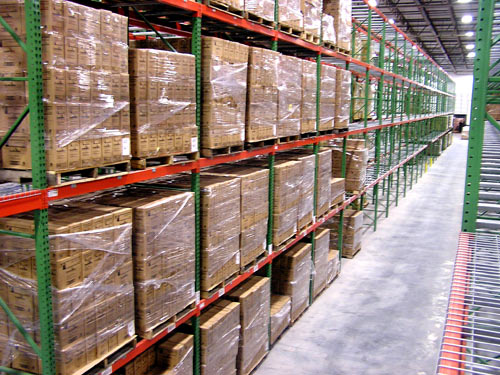
Every pallet reachable, every time. The baseline we size everything else against.
View details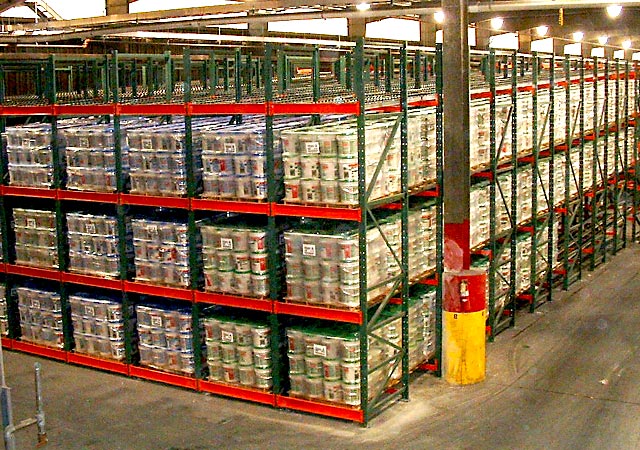
Load one side, pick the other, and let gravity enforce first in, first out.
View details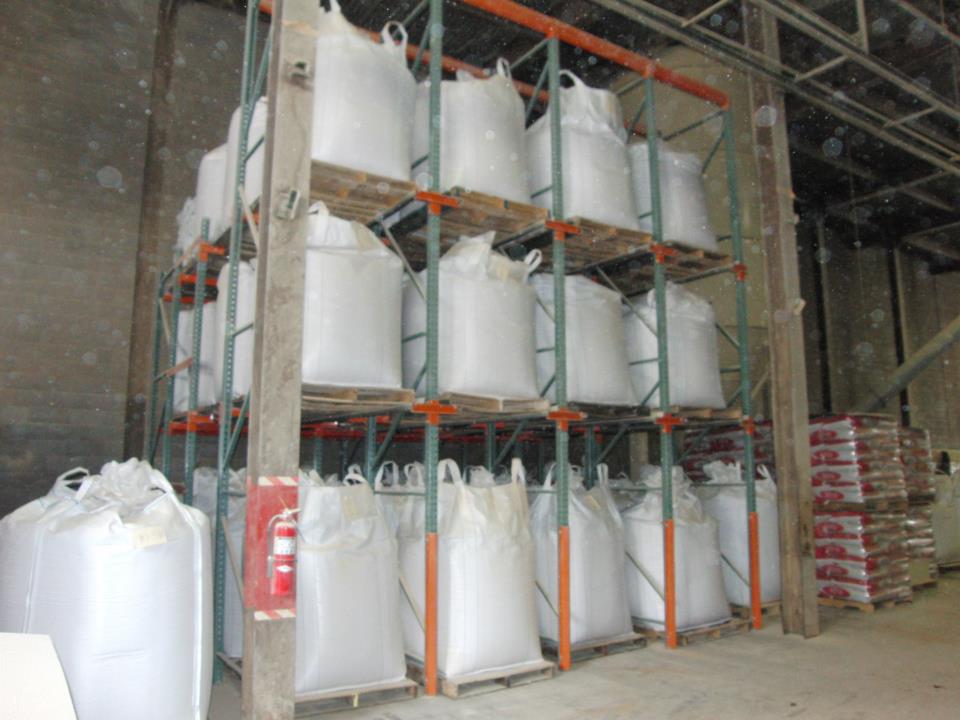
Forklifts enter storage lanes, reducing aisle space for large quantities of the same SKU.
View details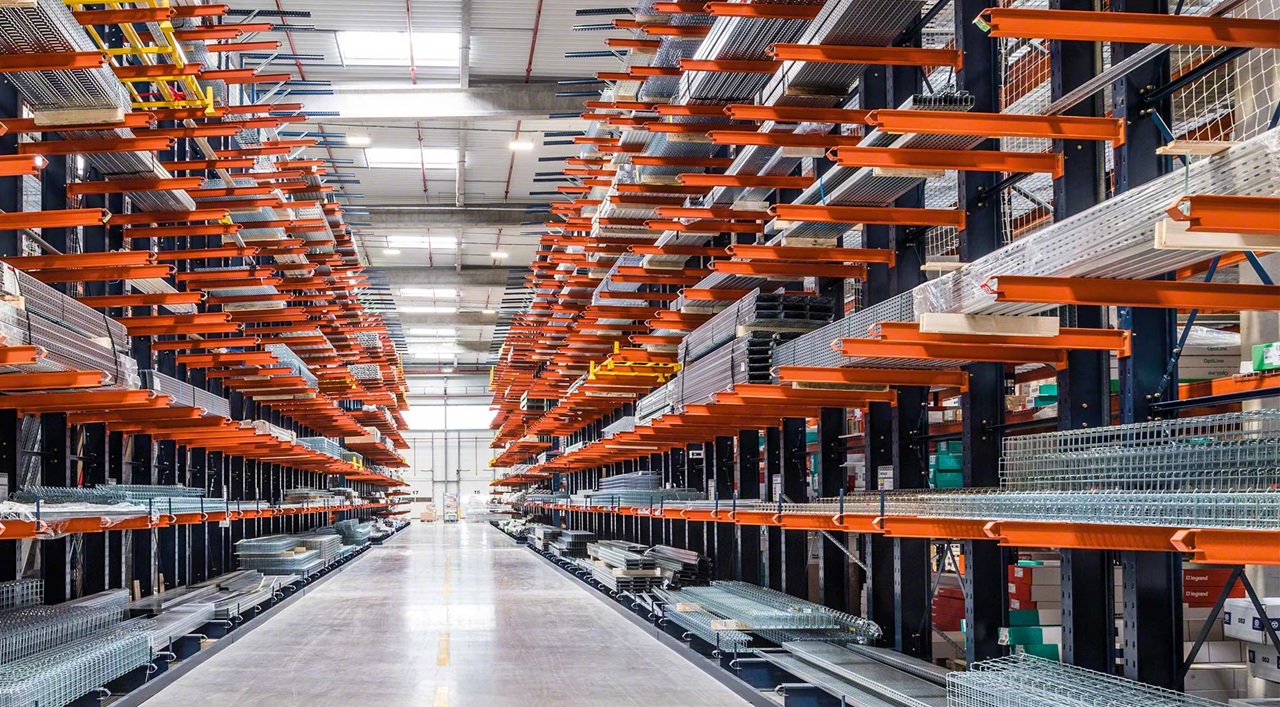
Arms with nothing in front of them, built for lumber, pipe, and anything a pallet can't hold.
View details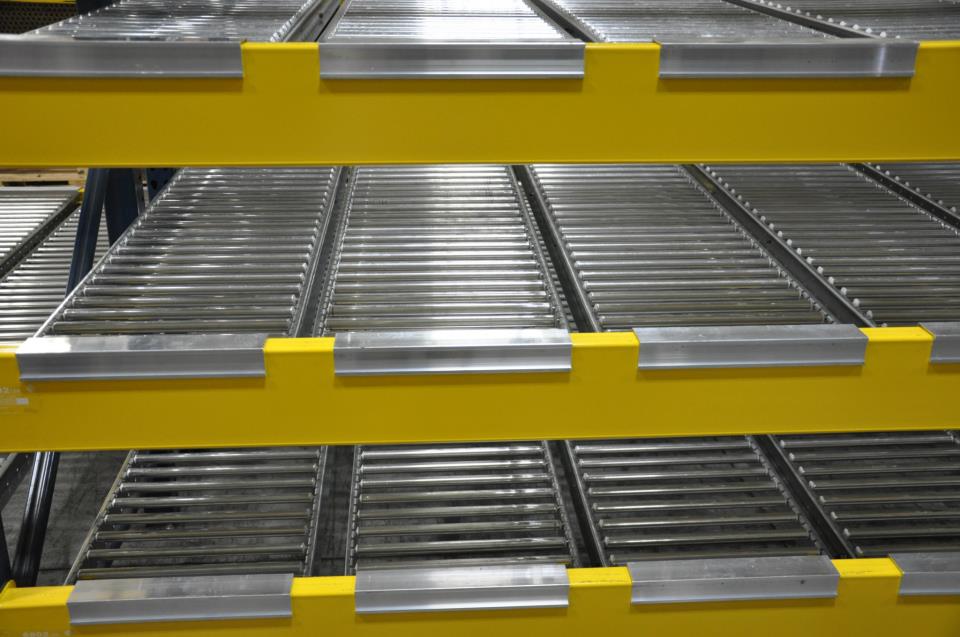
Cases advance to the picker instead of the picker hunting for cases.
View detailsOur delivery and installation territory covers Tampa Bay, so one team can handle multiple buildings for the same company.
Located in Tampa, we serve the entire Tampa Bay area with industrial pallet racks and warehouse storage solutions.
7402 N 56th St.
Ste 355-580
Tampa, FL 33617
Monday - Friday: 7:00 AM - 7:00 PM
Saturday: Closed
Sunday: Closed
Call (813) 723-3771 or request a quote and we will get a layout started.