
Selective Pallet Racking
Selective pallet racking fitted with wire decking across each level.
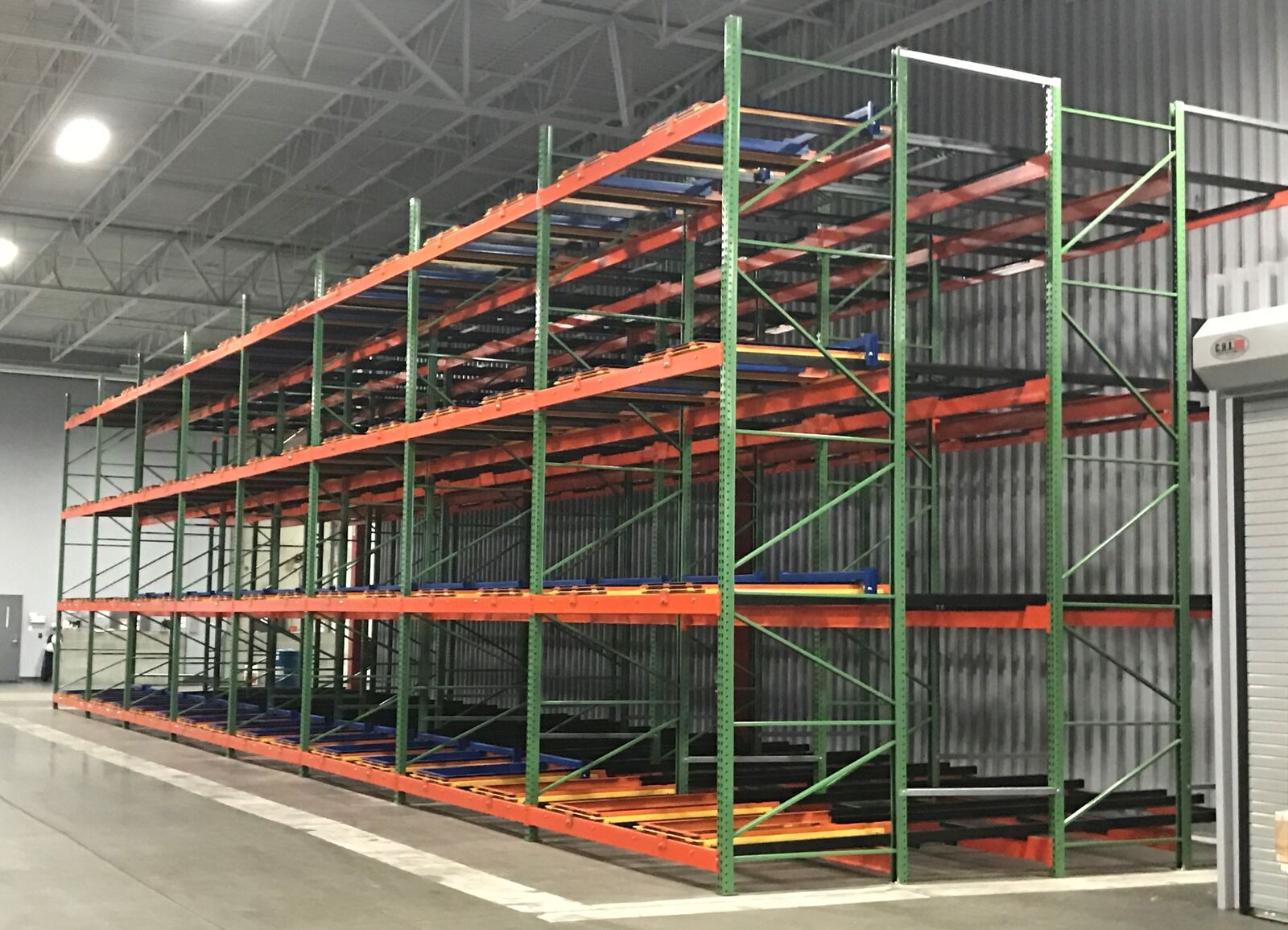
Pushback rack gives Brandon distributors a way to consolidate repeated case-goods pallets without assigning an aisle to every storage row. Nested carts travel on inclined rails in lanes typically holding 2–6 pallets deep. Loading and retrieval share the front aisle, so the newest pallet leaves first: LIFO storage rather than individual pallet selection.
For e-commerce reserve near Falkenburg Road or Causeway Boulevard, the decision starts with inventory concentration. Several pallets of one item can justify depth; a long list of single-pallet items cannot. Protect outbound staging before counting added positions, especially where delivery preparation already competes with replenishment trucks for floor space.
We compare lane occupancy with the number of separate SKU faces your operation needs. A six-deep lane holding only two pallets can waste more space than a shorter lane with another accessible item beside it. Normal stock counts matter alongside seasonal receipts.
Tampa Pallet Racks is a division of Warehouse Equipment & Supplies Co., supplying and installing since 1997. Your proposal connects the storage arrangement to pallet dimensions, load weights and handling equipment rather than treating every available bay as interchangeable.
Existing rack is assessed before new components are selected. Matching an upright connection alone does not establish compatibility: frame depth, beam span, elevations and rated assembly capacity must support the proposed cart-and-rail system. An adjacent new block may be preferable to conversion.
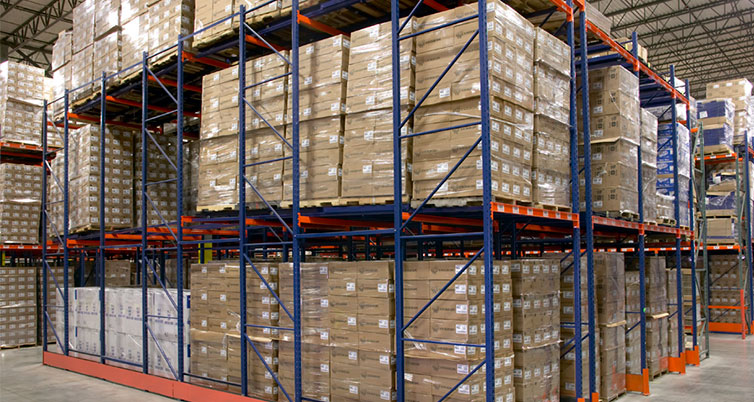
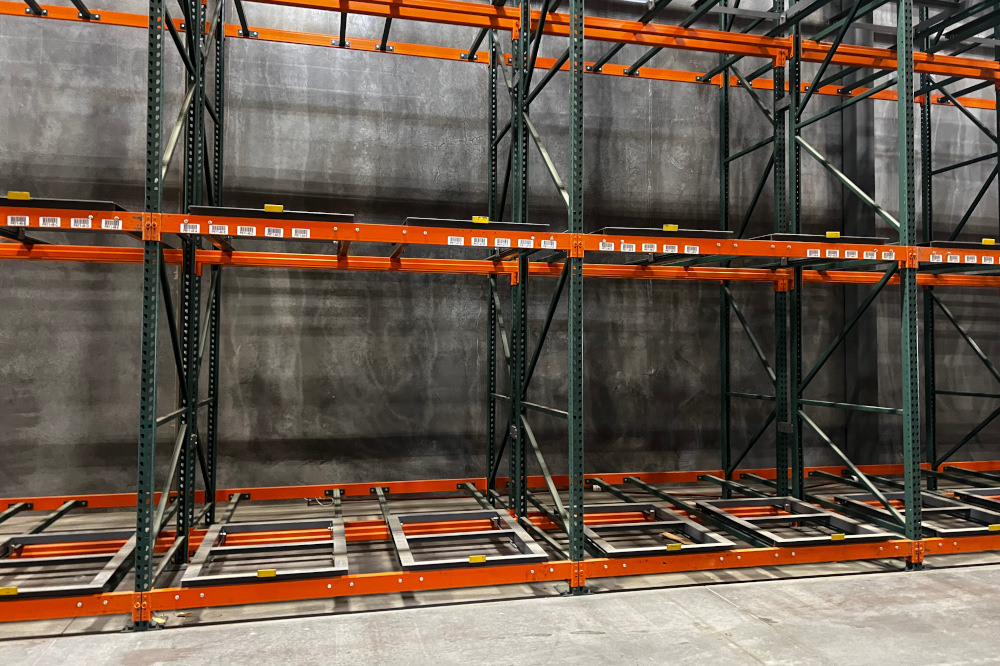
For Brandon operations using US-301 and I-75, including the Fairgrounds approach, route staging belongs on the layout alongside rack footprints. A denser reserve block should leave a defined transfer path between receiving, case picking and outbound accumulation rather than moving congestion to the front aisle.
Each lane serves one compatible item or controlled inventory group. Operators need a defined loading sequence and pallets whose underside suits the specified carts.
The first pallet rests on the designated cart at the aisle face. Its dimensions, bottom boards and overhang must fit the support arrangement without catching neighboring loads.
The next incoming pallet moves the occupied cart backward along its rails. Additional carts nest beneath one another; the selected lane depth determines the loading sequence and final support position.
During retrieval, the forklift controls the front load while the remaining pallets advance down the incline. Drivers stay outside the storage lane, unlike drive-in rack operation.
Replenishment places newer inventory ahead of older stock. Maintain lane identification and choose another storage method whenever a specific older pallet must remain immediately available.
Send pallet weights, heights, inventory counts and your present rack information. The drawing should identify each beam pair per level, frame spacing and beam spacing; capacity depends on the complete configuration, including rail supports, not just a beam rating viewed alone. FIFO inventory needs a different access pattern than these reverse-order lanes.
Compare selective storage for direct pallet access with deeper reserve lanes for repeated goods. Drive-in can suit larger homogeneous batches, but requires truck entry. Pushback rack retains aisle-side handling while reducing aisle count, with the tradeoff of less access within each lane. Beam ratings apply to a pair on one level; upright ratings depend on frame height and vertical separation between beams. Put the selected capacities on load plaques so later changes are reviewed against the original arrangement.
Quotes specify new material, including structural members, cart assemblies and rails. Installation crews are scheduled and managed around agreed work areas. Alignment checks and representative loaded travel checks should precede routine use, followed by instructions explaining acceptable pallets and controlled withdrawal.
Brandon warehouse racking · Pushback system options · FIFO lanes in Brandon · Deep reserve storage in Brandon
A look at recent pallet rack installations across the Tampa Bay area.
Selective pallet racking fitted with wire decking across each level.

Selective pallet racking fitted with wire decking on each level, installed under a wood-truss roof.

Pallet racking set up with carton flow roller lanes on the lower levels.

Drive-in pallet racking built with deep bays that store pallets several positions deep.

Selective pallet racking fitted with wire decking across each level.

Selective pallet racking installed across a warehouse.

Selective pallet racking fitted with wire decking.

Selective pallet racking in a warehouse.

Push back pallet racking with nested carts that store pallets several deep from one aisle.

Selective pallet racking set up along a warehouse wall.
Bring the reserve SKU list and route staging dimensions; we can prepare a free CAD layout and separate the quoted supply and assembly scope. Call (813) 723-3771.
7402 N 56th St.
Ste 355-580
Tampa, FL 33617
(813) 723-3771Monday - Friday: 7:00 AM - 7:00 PM
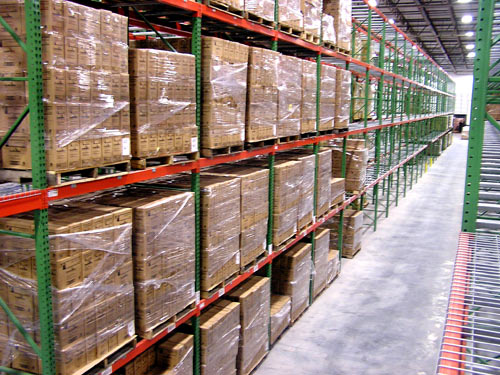
Every pallet reachable, every time. The baseline we size everything else against.
View details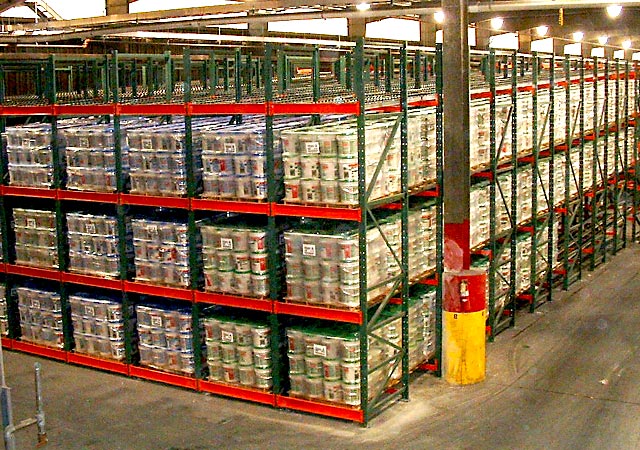
Load one side, pick the other, and let gravity enforce first in, first out.
View details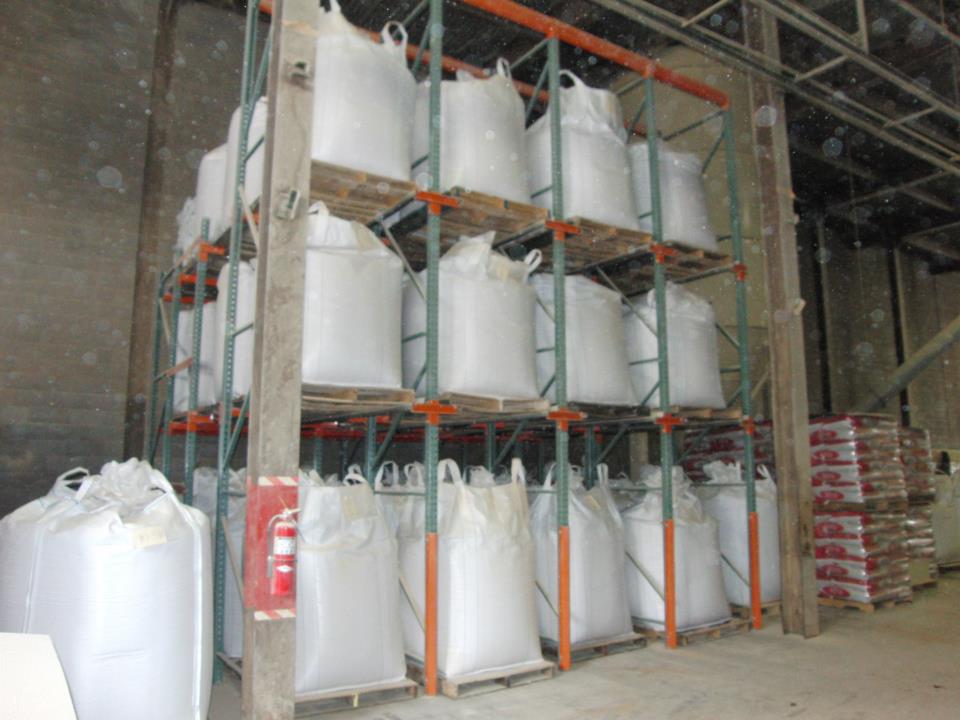
Forklifts enter storage lanes, reducing aisle space for large quantities of the same SKU.
View details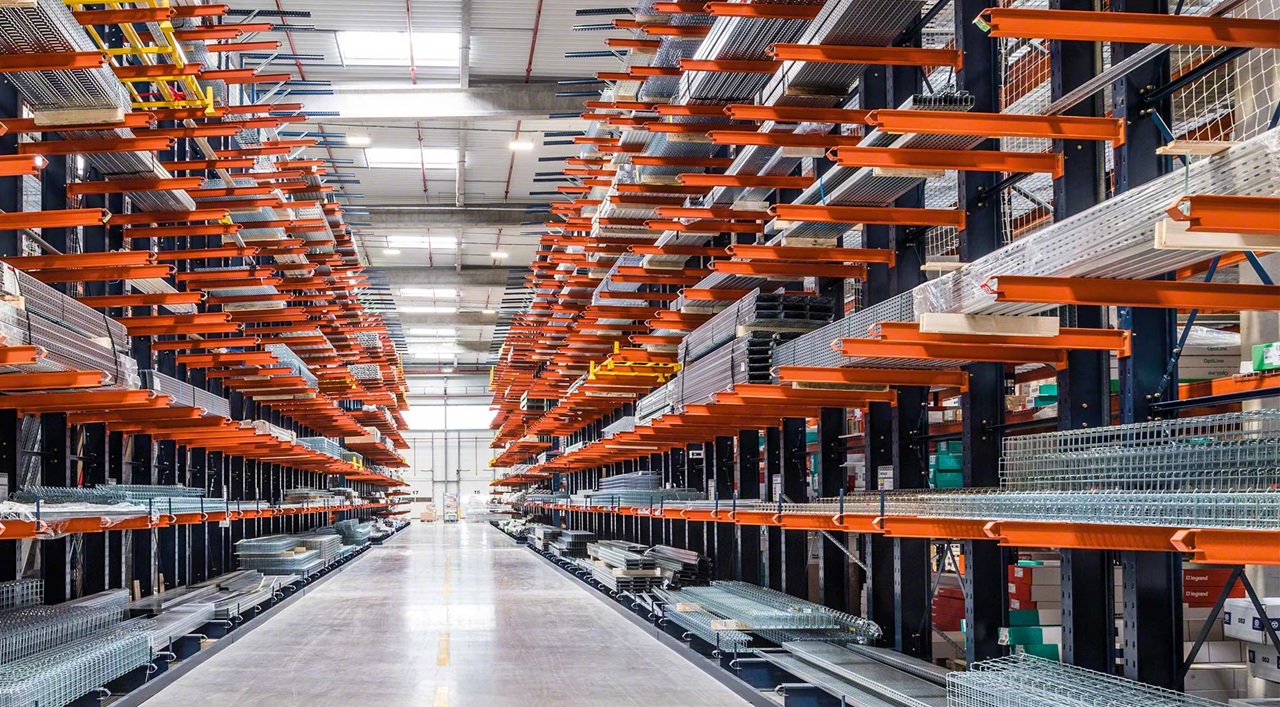
Arms with nothing in front of them, built for lumber, pipe, and anything a pallet can't hold.
View details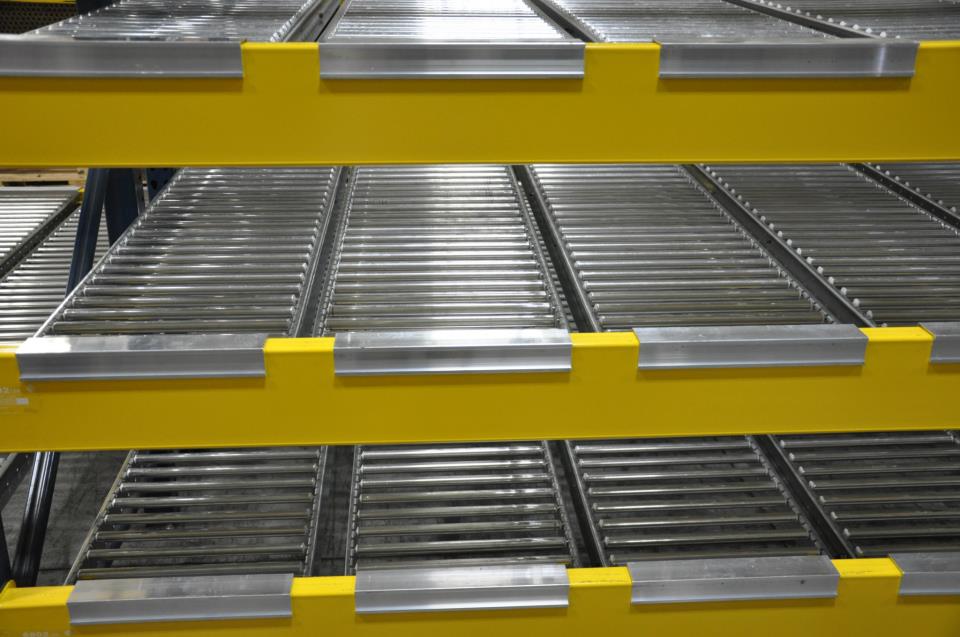
Cases advance to the picker instead of the picker hunting for cases.
View detailsOur delivery and installation territory covers Tampa Bay, so one team can handle multiple buildings for the same company.
Located in Tampa, we serve the entire Tampa Bay area with industrial pallet racks and warehouse storage solutions.
7402 N 56th St.
Ste 355-580
Tampa, FL 33617
Monday - Friday: 7:00 AM - 7:00 PM
Saturday: Closed
Sunday: Closed
Call (813) 723-3771 or request a quote and we will get a layout started.